The Hidden Risks of the Hormuz Blockade, Mortgages Backed by Bitcoin, and the Return of Inflation
While traditional investors are panicking over the Middle East crisis, the crypto market is moving deeper into the foundational sectors of the U.S. economy. We’ve gathered the key events of the week, stripped away the noise, and broken down what they mean for capital.
A “Perfect Storm”: The Blockade of the Strait of Hormuz and Inflation
Geopolitical tension has reached a peak. At a briefing, Donald Trump said the conflict would “end soon,” while also expressing surprise that the stock market “didn’t crash more.”
Meanwhile, the Pentagon is considering radical scenarios ranging from blocking tankers to seizing Iranian islands such as Khark, Larak, and Abu Musa.
But the main threat the media is barely talking about is not gasoline prices.
- Global shortage: The Strait of Hormuz is 90% blocked. Around 36% of global seaborne fertilizer trade passes through it. On the eve of the spring planting season, this threatens to trigger a food crisis for billions of people across Asia and Africa.
- Water threat: Iran has threatened strikes on desalination plants in Saudi Arabia and the UAE. The water supply of more than 100 million people is at risk.
What this means for investors:
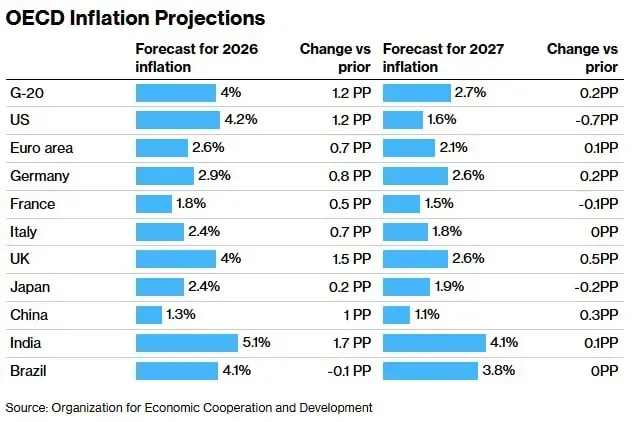
The energy and logistics shock is forcing the Fed and the ECB to keep interest rates high. U.S. inflation in 2026 is projected by the OECD at 4.2%, while inflation across the G20 is projected at 4%.
How Crypto Is Reacting to the Macro Shock
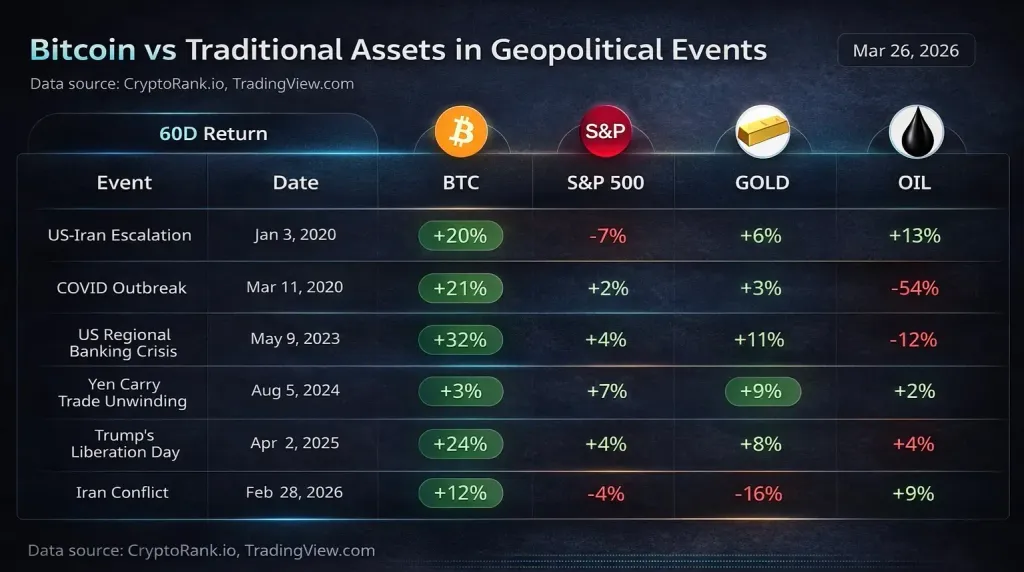
BTC as a new macro safe haven: In recent years, Bitcoin has increasingly shown more strength than traditional assets during periods of crisis. Inflation reinforces the BTC narrative as protection against fiat debasement.
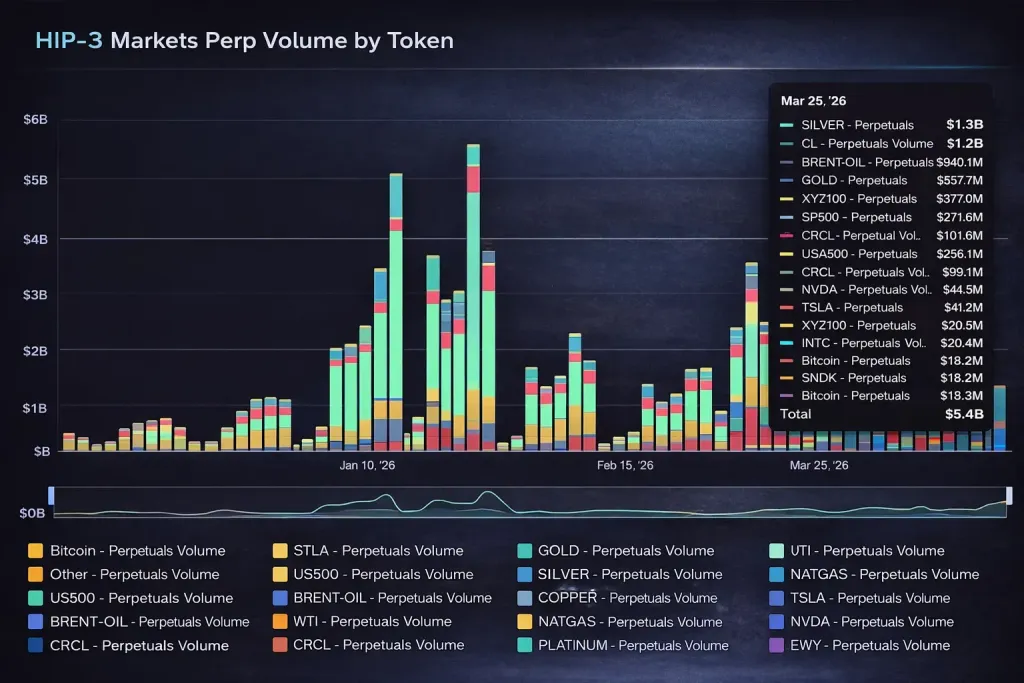
Commodity tokenization is hitting records: The decentralized platform Hyperliquid recorded a record $5.4 billion in daily trading volume. Web3 users are активно trading derivatives on oil, gold, and silver against the backdrop of geopolitical tension.
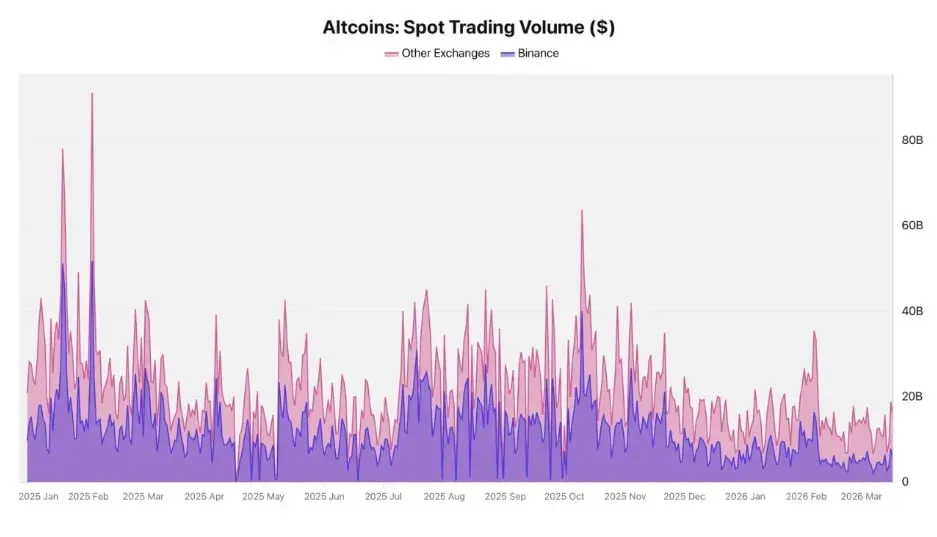
Altcoins at the bottom: Interest in buying and selling random altcoins on exchanges has dropped to a multi-year low. Retail investors are tired of “empty” projects. Capital is concentrating in assets with real fundamentals.
Institutional Shifts
Despite David Sacks stepping down from his role as the White House adviser on AI and crypto, Web3 integration into the real U.S. economy is moving ahead at full speed.
Fannie Mae, the largest guarantor of housing debt in the U.S., covering 25% of the mortgage market, has for the first time begun accepting cryptocurrency as mortgage collateral. The product was launched together with Better and Coinbase.
This is a major breakthrough: your Bitcoin can now legally help buy real estate within the conservative legal framework of the United States.
What This Means for You
High inflation means that holding capital in cash dollars or in a bank deposit is a guaranteed way to lose purchasing power. At the same time, geopolitical volatility makes manual trading and buying altcoins extremely risky.
The smart-capital strategy in 2026 is highly pragmatic: hold the portfolio in hard assets and stablecoins, while making them generate a predictable yield that outpaces inflation.